
 1300 066 677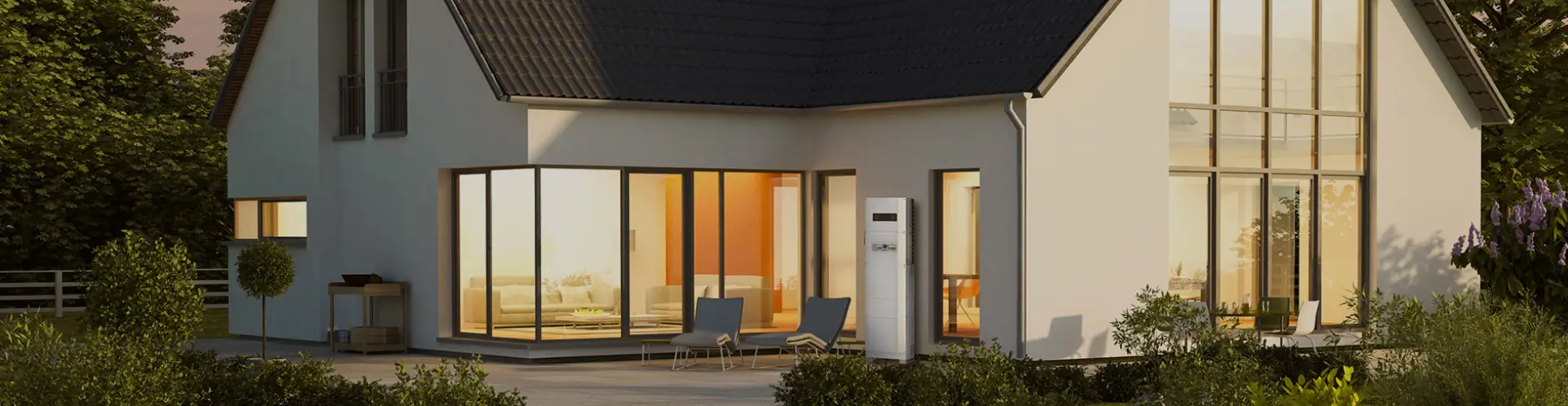
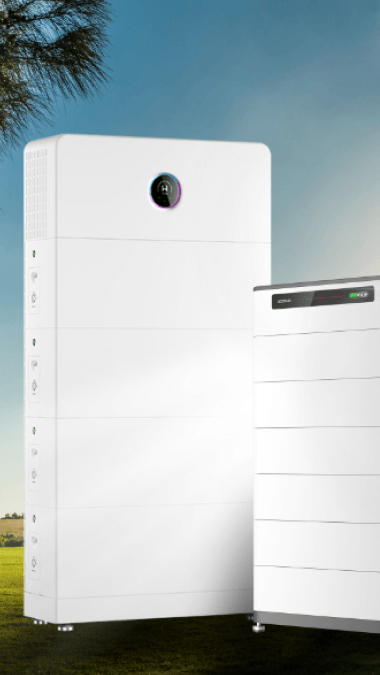
Turn surplus rooftop generation into energy you can use after the sun goes down. The GoodWe GW8.3-BAT-D-G20 is an 8.32 kWh high voltage home battery with 8.0 kWh usable energy and lithium iron phosphate chemistry. In a compatible, properly designed system, it can increase solar self-consumption, support time of use energy management and supply nominated backup loads during an outage.
1 Stop Solar can review your load profile, daytime exports, existing inverter, switchboard, phase supply and backup priorities before recommending a configuration. This assessment-led approach helps separate the battery price from the full installed system cost, so important electrical work and compatible equipment are clear in the proposal.
| Rated energy | Usable energy* | Chemistry | Max. input/output* | Enclosure rating |
|---|---|---|---|---|
| 8.32 kWh | 8.0 kWh | LFP | 8.0 kW | IP66 |
*Usable energy is GoodWe’s beginning of life design value under its stated test conditions. Input, output and peak power can reduce with temperature and battery state of charge. The inverter and overall design may also limit system performance.
Many solar households export electricity in the middle of the day, then import from the grid for dinner, heating or cooling, lighting and entertainment. Battery storage can capture available excess generation and make it available later, helping the home use a greater share of its own solar. Bill outcomes still depend on usage patterns, tariffs, solar yield, system settings and installed cost.
For the GW8.3-BAT-D-G20, GoodWe publishes maximum system input and output power of 8.0 kW and peak output of 12 kW for 10 seconds. These figures are product system limits under specified conditions, not a promise that every installation will deliver the same power. Inverter selection, configuration, temperature, state of charge and the connected load all matter.
The battery uses LFP cells and an independent battery management unit. GoodWe lists thermal electric separation, integrated heating and an integrated aerosol fire extinguishing function for this model. These features work alongside correct product selection, manufacturer clearances, suitable siting and installation to applicable Australian requirements.
GoodWe describes the Lynx D G2 family as supporting up to 12 packs in parallel and multi cluster expansion. Packs of different capacities within the series, and new and existing packs, can be mixed within the manufacturer’s rules. A single column stacked arrangement is limited to six parallel units. Any future addition needs a fresh check of inverter capacity, firmware, electrical design, physical space and the rules applying at that time.
The IP66 rated enclosure can be installed on a wall or in a floor stacked arrangement where the site meets GoodWe’s instructions. IP66 describes resistance under a defined test standard; it does not mean the battery can be placed anywhere outdoors. Sun exposure, ventilation, impact protection, access, clearances and local electrical rules remain part of the design.
The answer depends less on the headline size of the solar array and more on when the household uses electricity. An 8 kWh GoodWe battery may be a sensible starting point where the home regularly exports enough solar to recharge it and then purchases a similar amount from the grid between late afternoon and the next morning. Compare recent evening and overnight grid consumption with 8.0 kWh, then look at seasonal solar exports. A system that is too large may sit partly unused on many days; one that is too small may fill early and miss later surplus. 1 Stop Solar can use bills, interval data and expected future loads such as an electric vehicle, pool pump or heat pump hot water to develop a more defensible size recommendation.
GoodWe lists the Lynx D G2 series for use with compatible single and three phase ESA all in one systems and a range of GoodWe energy storage inverters, including ET G2 and ET30 series. That does not make every GoodWe inverter, or every third party solar inverter, directly compatible. The exact inverter model, firmware, phase supply, battery quantity and connection design must be verified. Some homes can use a compatible hybrid arrangement; others may require different power-conversion equipment or changes to the existing installation. A site and equipment check should happen before the system is priced as ready to install.
The battery pack alone does not create blackout protection. Backup needs compatible system equipment, compliant isolation, appropriate controls and specifically designed backup circuits. 1 Stop Solar will need to confirm whether you want essentials such as refrigeration, lighting, internet and selected power points, or a broader backup arrangement that remains within the complete system’s limits. Available running time changes with the state of charge and the appliances operating at the same time. As a basic energy example, 8 kWh could theoretically run a constant 1 kW load for eight hours. Conversion losses, battery reserves, temperature and varying loads mean real-world duration will be lower.
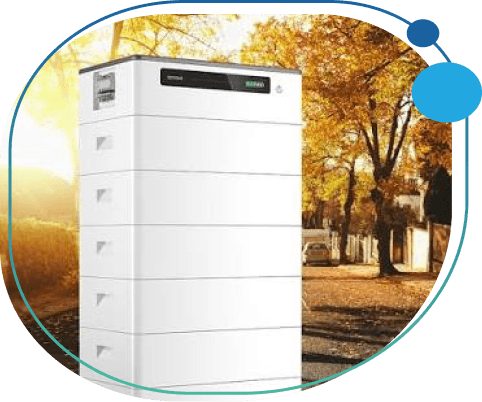
GoodWe’s limited warranty for the Australian and New Zealand BAT 5.1 and 8.3 battery systems states a 10 year product warranty and a 10 year performance warranty, subject to its conditions, exclusions and operating requirements. The performance promise is expressed as 70% retained usable energy or reaching the minimum throughput energy, whichever comes first. The document specifies minimum throughput DC energy of 3 MWh for each kWh of usable battery capacity and refers to capacity equivalent to one full cycle per day. The manufacturer’s limited warranty does not remove consumer guarantees that apply under Australian Consumer Law. Owners should retain their proof of purchase, serial numbers, compliance paperwork, manuals and monitoring details, and follow the reporting and operating requirements in the current warranty document.
A meaningful GoodWe battery price should include the complete solution. Installed cost can vary with the number of battery packs, inverter or ESA equipment, backup-board and circuit work, switchboard condition, mounting method, cable route, metering, network requirements and access to the installation area. A 1 Stop Solar quote should set out the proposed configuration, included electrical work, backup scope, key assumptions, warranty documents and any estimated incentive. Homeowners can then compare complete systems rather than isolated battery hardware prices.
Under the Australian Government’s Cheaper Home Batteries Program, eligible systems may receive an upfront discount through small scale technology certificates. The current program has requirements for product approval, battery capacity, connection to new or existing solar PV, installation by an appropriately accredited installer and virtual power plant capability in relevant grid-connected situations. The STC calculation is tied to usable capacity and the factor applying on the installation date; capacity tiers and future factor reductions also apply. A quoted dollar benefit can therefore change with timing, STC market value and the final system. State and territory offers may have additional rules, and not every program can necessarily be combined. 1 Stop Solar should confirm eligibility and the estimated value for the exact system before installation.
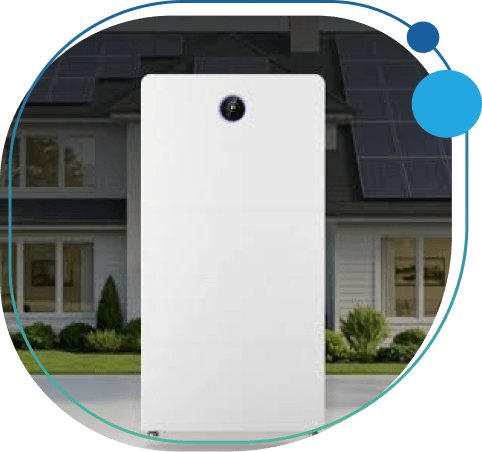
GoodWe publishes 8.32 kWh rated energy and 8.0 kWh usable energy at beginning of life under specified test conditions. Actual available energy can vary with operating rate, temperature, transport, storage and system settings.
Installed pricing varies by the full configuration. Battery quantity, compatible inverter or ESA hardware, backup circuits, switchboard work, cable runs, mounting, access, metering and incentive eligibility can all affect the quote.
It may reduce grid imports by shifting available solar to later periods. The financial result depends on solar surplus, usage timing, tariffs, system losses, operating settings, installed cost and future electricity prices.
Only if the exact inverter, firmware and electrical configuration are compatible. Brand name alone is not enough. The existing system should be checked before a connection method is recommended.
Not automatically. A compatible backup design may supply agreed circuits, subject to system power and energy limits. Whole-home expectations should be assessed against peak loads and the proposed equipment.
It carries an IP66 enclosure rating, but the location must still satisfy GoodWe’s environmental limits, clearances and installation instructions as well as Australian requirements.
There is no fixed duration. At a constant theoretical 1 kW load, 8 kWh represents about eight hours. Real duration is shorter after conversion losses, reserve settings, temperature effects and changes in load.
The Lynx D G2 series supports expansion within GoodWe’s stated limits. Before adding packs, the installer must recheck the inverter, firmware, design, pack configuration, physical space and current compliance requirements.
The exact battery and inverter configuration must be on the relevant approved lists and satisfy all program rules at installation. Eligibility also depends on capacity, solar PV, installer accreditation and VPP capability requirements where applicable.
Possibly, but solar array size alone cannot answer the question. Daily and seasonal surplus generation, evening consumption, inverter compatibility and future loads are more useful sizing inputs.
Share your recent electricity usage, existing solar details and backup priorities with 1 Stop Solar. The team can assess compatibility, usable storage needs, installation conditions and the current installed price for a suitable GoodWe configuration.

